12 November 2026
Steps to Take When You Lose a House Key
Presented by @everydaydoorcare
Losing a house key can feel unsettling. You might wonder if someone will find it, whether it has any identifying information, or if you should change the locks immediately. The situation is common, but it helps to have a clear plan. Acting methodically reduces stress and keeps your home secure. Here is a practical sequence to follow when a key goes missing, with what to watch for at each stage.
Stay calm and retrace your steps
The first thing to do is pause and think. Panic leads to rushed decisions, and a rushed decision might mean unnecessary expense or effort. Start by retracing your movements from the last time you remember having the key. Check pockets, bags, drawers, car seats, and any place you might have set it down. Look between cushions, under furniture, and in coat linings. Keys often turn up in unexpected spots like a gym bag or a jacket you rarely wear.
If you live with others, ask if anyone borrowed the key or moved it. Sometimes a key is simply in a different spot than usual. Take ten or fifteen minutes for this search. If nothing shows up, move to the next step.
Determine the type of key that is missing
Not all lost keys carry the same risk. A standalone key to a single door is less concerning than a key that identifies your address or a master key that opens multiple locks. Think about what the key looks like and what it accesses. If it has a key tag with your address, a key fob with a company logo, or any label that connects it to a specific location, the security concern is higher. If it is a plain, unmarked key, the risk that someone will match it to your home is lower, though not zero.
Also consider whether the key was part of a set. Losing a key ring that includes keys to your home, office, mailbox, and car raises the stakes. Each lost key might need its own remedy. Knowing what is missing helps you decide how urgent the next steps are.
Check if you have a spare or a backup
Before calling anyone, see if you have a spare key stored somewhere safe. Many people keep a spare with a trusted neighbor, a family member, or in a secure lockbox. If you have a spare, you can access your home immediately while you decide on longer-term measures. But do not rely on a spare that is easy for others to find, such as one under a doormat or a flowerpot. Burglars know those spots.
If you rent, your landlord or property manager might hold a master key or a spare. Contact them to ask if one is available. Keep in mind that giving out a spare does not solve the security issue if the original key is still out there. It simply gets you back inside.
Consider the risk of the lost key being used
The main question is whether someone could find the key and identify your home. A key alone does not tell a stranger where you live. But if the key is attached to anything with your address, your name, or a recognizable logo, the risk goes up. Even without such markings, a key found near your neighborhood might be tried on nearby doors. That is unlikely, but possible.
If the key was stolen rather than lost, the risk is greater. A stolen key may have been taken deliberately by someone who knows where you live. In that case, you should treat the situation as a security breach. If you simply misplaced it, the threat is lower but still worth addressing.
Decide whether to change the lock or rekey it
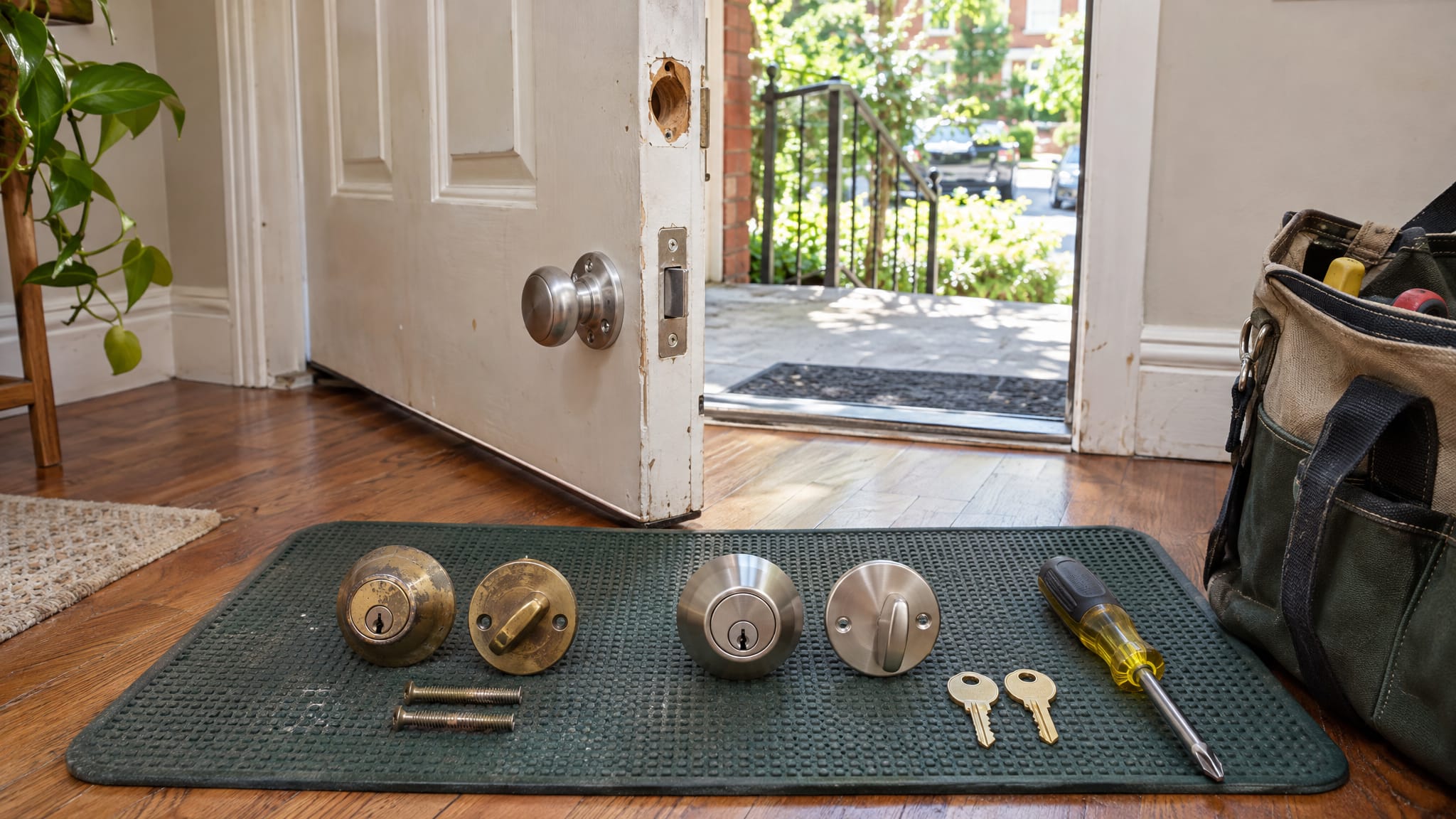
Once you have assessed the risk, you need to decide on a course of action for your entry door locks. Two common options are changing the lock entirely or rekeying the existing lock. Rekeying means altering the lock cylinder so that the old key no longer works, while a new key operates the lock. This is often less expensive than replacing the whole lock and keeps the same hardware. Changing the lock involves installing a new lock set, which may be necessary if the current lock is old or damaged.
For most situations, rekeying is the practical choice. It makes the lost key useless while preserving the look and function of your door. If you have multiple locks that use the same key, rekeying them all to a new key code ensures one key works all the locks. This is a common request from homeowners and landlords. A local locksmith can handle this quickly.
If you are a tenant, check your lease. Many rental agreements require the landlord to handle lock changes, and the tenant may need permission to alter the locks. Contact your landlord before arranging any work. If you are a landlord, you might want to rekey between tenants or after a key is lost to maintain security for all residents.
Contact a professional locksmith
Once you decide to rekey or replace, call a locksmith. A professional can assess your locks, provide the right key code, and ensure the new setup works smoothly. If you are in North York, you might look up a service such as lockchangenorthyork.com to find a local specialist. They can rekey standard pin tumbler cylinders and work with various types of entry doors, including those on homes and small businesses.
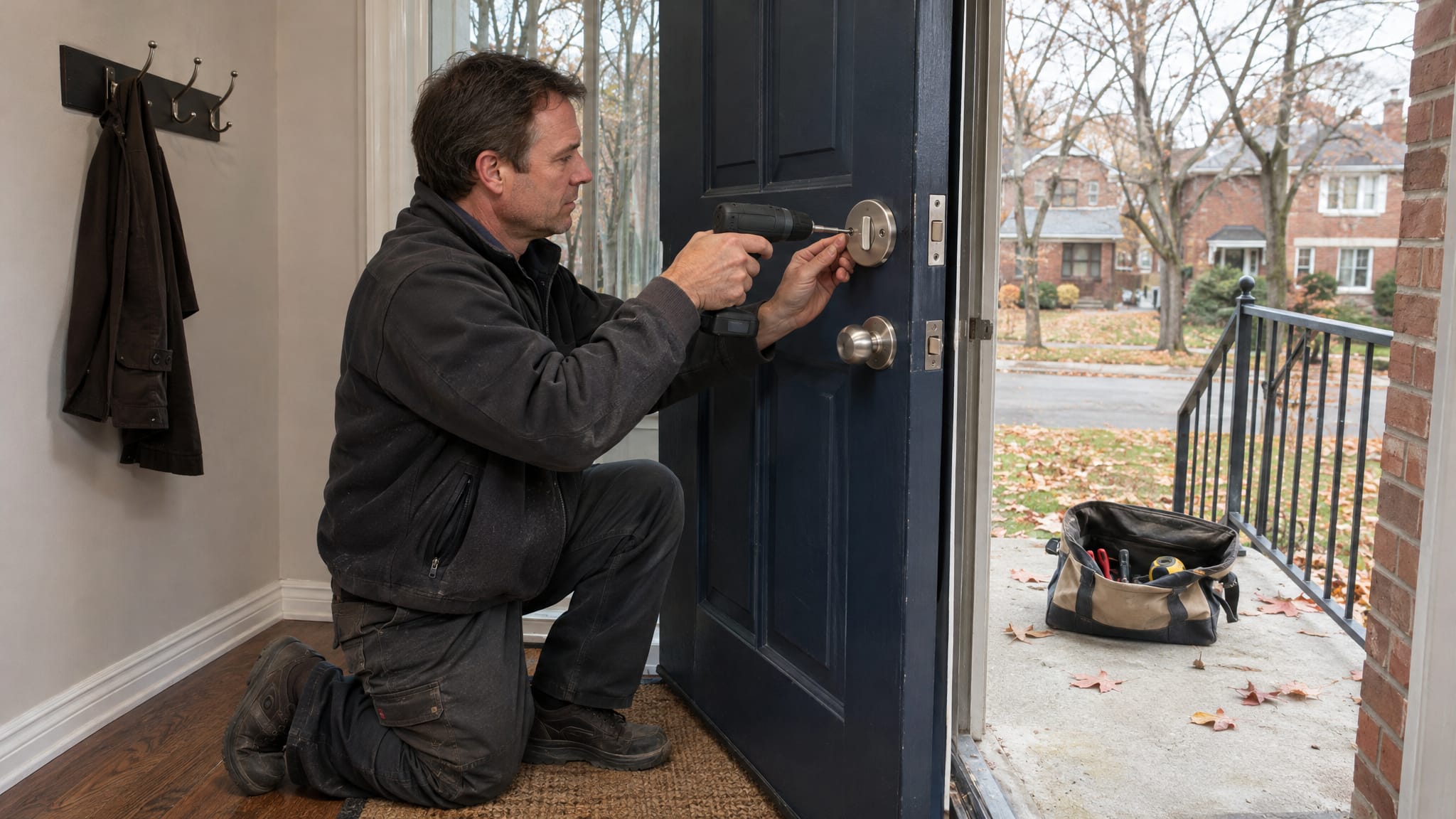
When the locksmith arrives, they will remove the lock cylinder, change the pins to match a new key, and reassemble it. The process is usually quick and does not require drilling or damaging the door. Afterward, the old key will no longer work. The locksmith will give you a set of new keys. Keep one in a safe place and consider giving a spare to someone you trust.
Update anyone else who has a key
If other people have keys to your home, such as family members, roommates, or a cleaner, let them know the locks have been changed. Hand them the new keys and explain the situation. This prevents confusion and ensures everyone can still access the home. If you manage a building or business, update your access control system if one exists. Some electronic systems allow you to deactivate a lost key fob or code remotely, which is faster than changing a mechanical lock.
Take steps to prevent future loss
Once the immediate issue is resolved, think about ways to avoid losing keys again. Simple habits help. Designate a specific spot at home for your keys, such as a hook near the door or a bowl on a table. Always put them there when you come in. Attach a bright or distinctive keychain so the keys are easier to see. Avoid putting keys in coat pockets or bags that you switch frequently.
Some people keep a spare key in a secured lockbox mounted out of sight. Others use smart locks that open with a code or a smartphone, reducing dependence on physical keys. Each method has trade-offs. A lockbox can be pried open if not installed well, and smart locks rely on batteries and network connections. Think about what fits your routine and your security needs.
If you manage multiple properties or have many keys, consider a key tracking system or a master key plan organized by a locksmith. This adds a layer of control and makes it easier to rekey if a key goes missing again. For a business, regular audits of who holds keys can prevent problems before they happen.
When to involve the police
In most cases, a lost key does not require police involvement. But if the key was stolen along with identification, or if you suspect a break-in attempt, it is reasonable to file a report. A police report can be useful for insurance purposes or if you need to prove that a security incident occurred. For a simple lost key, the police are unlikely to investigate, so use your judgment.
If the key opens a business or a sensitive area, notify your security team or manager. They may want to rekey immediately and review access logs. Acting fast limits potential damage.
Keep records of the change
After the locks are rekeyed or replaced, note the date and the new key code. Store the information in a safe place, such as a home file or a password manager. If you are a landlord, update your records for the property. This helps if you need to order additional keys later or if you sell the property and need to hand over keys. It also helps if a tenant moves out and you want to confirm the locks have been changed.
For homeowners, knowing the key code makes it easy to get duplicates from a locksmith. Keep a spare key with a neighbor or in a lockbox, and make sure you have a way to get into your home if you lose your keys again. A little planning now saves hassle later.
Losing a house key is inconvenient but manageable. By staying calm, assessing the risk, and taking prompt action, you can secure your home without unnecessary stress. Whether you choose to rekey or replace, the goal is the same: restore your peace of mind. A professional locksmith can guide you through the options, and a resource such as lockchangenorthyork.com can help you find the right help locally. Once the work is done, you can move forward knowing your home is protected.